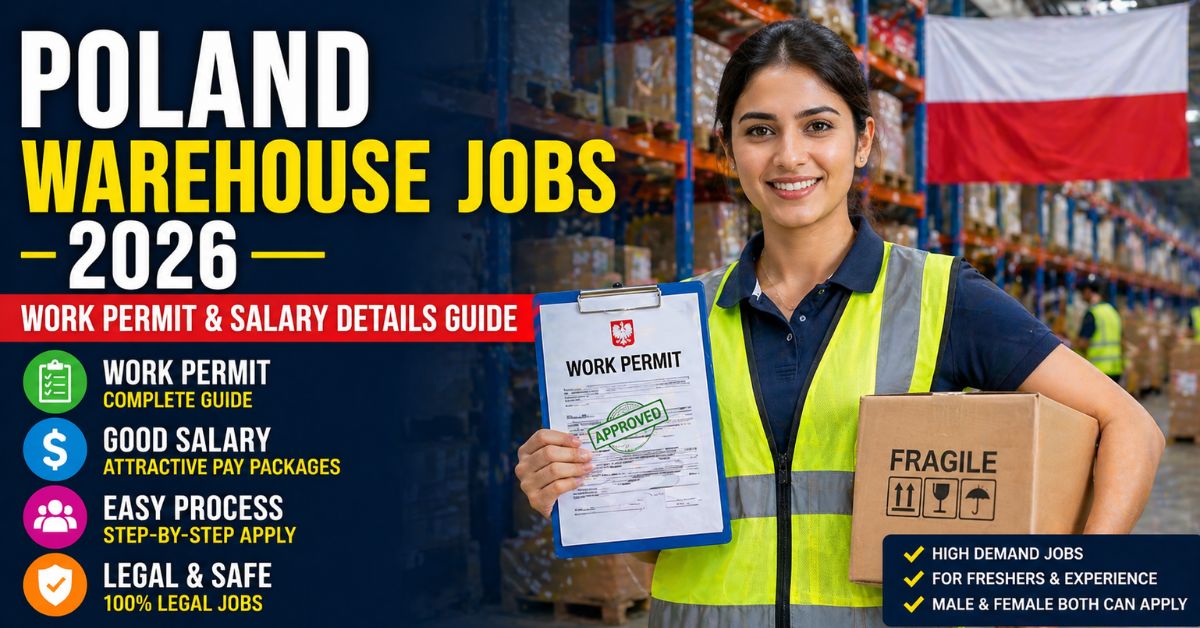
Poland Warehouse Jobs 2026 – Work Permit & Salary Guide
Stability matters when chasing work overseas, yet permits and paperwork pile up fast. Confusion creeps in around visas, pay ranges, what duties really involve – warehouse roles especially, common though details stay fuzzy online. Scams slip through too, false offers or half-truths eating hours, draining wallets without warning.
Year by year, Poland pulls in overseas labor through lawful job channels centered on storage facilities. Come 2026, positions inside these large indoor spaces remain steady for those arriving from abroad. Growth never slows down – online shopping expands, delivery networks stretch wider. That motion feeds demand. Thousands find roles filling boxes, moving goods, managing stock legally. Permits open doors without shortcuts or hidden steps. Work stays grounded in routine tasks, clear duties. No magic involved, just space after space filled with products waiting to shift across borders.
Poland warehouse jobs 2026 overview
Nowhere in Europe has seen logistics rise faster than Poland. As global firms step up operations, storage centers handle more goods, prep items, then ship them out. Workers from abroad keep showing up – most head straight into these busy warehouse jobs.
By 2026, Poland will likely still be bringing in non-EU labor through legal work permits, mainly for warehouse roles. Not every position demands prior training – some welcome beginners just as much. Because of that, plenty find these openings within reach. Workers from outside the EU can qualify whether they’ve done similar tasks before or not.
Out in the open spaces of cities like Warsaw, you will find warehouse roles common. Not just there – Kraków holds a fair share too. Think big buildings where goods move constantly. From Wrocław to Poznań, these spots rely on people sorting, moving, storing items every day. Distribution hubs take up whole blocks. E-commerce needs space – and staff – to keep things flowing. Factories also store materials before shipping out. Most workers land tasks inside massive indoor facilities. Activity runs high regardless of season. Each location ties into wider supply networks.
Some roles offer agreements lasting half a year; others stretch close to twenty-four months, shaped by company needs and work kind.
Key Highlights
- High demand for warehouse workers in 2026
- A job comes with paperwork that lets you stay legally. This document arrives through the company hiring you
- Jobs available for unskilled workers
- Pay sits between three thousand and six thousand zloty monthly
- Overtime opportunities available
- Working legally according to Poland’s job rules
- Contract duration: 6 months to 2 years
- Jobs in major Polish cities
Warehouse Job Types Available
From packing boxes to managing stock, work in Polish warehouses fits different skill sets. Whether new or experienced, there are positions ready to fill. Tasks shift depending on what a person can do. Some handle loading, others watch inventory closely. Each role matches up with how much someone already knows. Experience opens more complex duties behind the scenes.
Picker and Packer Jobs
Picking items off shelves takes up a big part of these jobs, followed by getting them ready to ship. Even though mistakes can cause problems, most places will train you on site.
Loading and Unloading Workers
Handling deliveries and dispatches takes up most of a worker’s day. Strength matters here – lifting, moving, shifting without pause. Storage needs care just like transport does.
Forklift Operators
This job needs training plus official approval. Moving big loads through storage buildings happens with lift trucks.
Inventory and Sorting Staff
Folks on this team keep track of supplies, making sure counts are accurate while sorting items around storage areas. Inventory gets reviewed regularly so everything stays in its proper place.
Pay and Time at Work
- Pay in Polish warehouses changes based on position, how long someone has worked, also who hires them.
- Some beginners make around PLN 3,000 to PLN 4,000 each month. Those with experience or special skills often reach PLN 6,000 or higher. Working extra hours adds more money by the end of the month.
- Most jobs last around eight to ten hours each weekday, then a break hits – sometimes one day weekly, sometimes two. Some places keep moving nonstop, splitting time into chunks where people take turns, morning blending into midnight.
- Now here’s a twist: workers might get extra cash when they hit targets, show up on time, or move fast through tasks.
Work Permits and Visas
- A job offer in Poland needs approval from local authorities before starting. Getting one means a company there agrees to hire you first.
- A fresh start happens after a company hires you, then handles the work permit request. Following that green light, the next move is chasing down a national work visa – called Type D – at Poland’s diplomatic post where you live.
- Once you get to Poland, a temporary residence permit could be necessary – this depends on how long your contract lasts.
- Your job permission links directly to one boss – stay with them unless rules allow a switch.
Eligibility Requirements
To apply for Poland warehouse jobs 2026, you must meet basic requirements:
- Valid passport
- A position provided by an employer based in Poland
- Basic physical fitness
- Ability to perform manual work
- No serious criminal record
- Willingness to follow work regulations
A person handling a forklift might need extra paperwork to prove they know how it works. Some jobs want that proof before letting someone start.
Speaking languages might not matter much, yet knowing some English helps now and then. Still, it’s not a strict requirement – just useful at times.
Step-by-Step Application Guide
Find Confirmed Job Openings
Start your search on reliable job sites, move to staffing firms, then check company pages directly. Finding warehouse roles in Poland often begins online through known platforms. Hiring partners help too when listings feel overwhelming. Some employers post openings only on their own websites. Explore each path without skipping steps.
Submit Your Application
A clean resume helps show jobs you’ve done before. Include even small tasks like cleaning or lifting. Each past role tells something about your habits. Think of times you showed up early or stayed late. One example might be carrying boxes every day for months. That kind of effort counts too. Someone once stacked shelves without being asked. Another time, someone kept tools organized each evening. These details paint a picture others can trust.
Interview Process
Now here’s a twist – interviews might happen through screens. A first look could come by way of the web instead.
Job Offer and Contract
Should they pick you, the offer arrives with numbers on pay, when to show up, plus what extras come along.
Work Permit Processing
A job provider begins the process by submitting paperwork to officials in Poland. Once started, the request moves forward under national rules.
Apply for Visa
Start by heading to the Polish embassy with your approved work permit in hand. Once there, begin the process of applying for your work visa. The document you have opens the door to this next step. Follow what they ask during the application phase. Each detail matters when submitting your request. Wait for confirmation after turning in everything needed.
Travel and Begin Work
Once the visa comes through, head into Poland to start work.
Warehouse Jobs in Poland Offer Steady Work and Practical Experience
- Warehouse jobs in Poland offer several advantages for foreign workers.
- Legal jobs in Europe mean steady pay and safety at work, thanks to local labor rules. Gaining skills abroad opens doors later on, even back home.
- Workers can earn more when bosses let them log extra hours. Housing might come included at certain jobs, or the workplace helps track down a place to stay.
- On top of that, jobs in Poland often come with clear routines and serious workplace standards – something that quietly builds strong career habits. A different rhythm each day shapes how you grow on the job.
Work Contracts and Employment Terms in Poland
Before you begin work at a Polish warehouse, getting clear on your employment agreement matters more than it might first seem. More than just paperwork, this document shapes what you’re expected to do, how much you’ll earn, and the environment you’ll be part of. Details often ignored early on tend to surface later as misunderstandings or frustration.
Most times in Poland, people get paper copies of their warehouse work agreements. These papers tend to list things like the role, pay amount, daily shifts, extra hour costs, where you stay, how long the deal lasts. Usually, everything shows up in Polish words. That means asking for an English copy helps a lot. Understanding every part clearly matters most, especially right before putting your name down.
There are generally two common types of contracts:
- Umowa o pracę (Employment contract): Offers more stability, social benefits, and legal protections
- Umowa zlecenie (Civil contract): More flexible but may have fewer benefits
Always check whether your contract includes health insurance, social contributions, and paid leave. A clear understanding of your contract ensures transparency and helps you avoid misunderstandings during your employment period.
Workers rights and legal protection Poland
- Should you hold a proper work permit, rights on the job come into place across Poland. Workers from abroad stand covered under clear rules just like locals do. Fair conditions follow when employment follows legal paths. Protection at work shows up whenever paperwork is in order.
- Getting paid when due belongs to workers, along with staying safe on the job and clear limits on shift lengths. Safety rules need following by bosses, especially when teaching staff new tasks. Warehouses usually involve lessons about moving gear, correct ways to pick up heavy items, one rule at a time posted around the floor.
- Rest breaks come your way based on what your contract says. Usually, a full day away from work shows up once every seven days. When extra hours get added, pay follows rules set by Poland’s labor laws.
- Start strong by holding on to papers like job agreements and work passes. When something feels off, reach out – help waits at government labor desks or authorized aid groups. Feeling clear about what you’re owed makes each day on the job steadier.
Daily Work Routine in a Polish Warehouse
- Working at a warehouse in Poland usually comes with clear daily patterns. Since many facilities run shift-based hours, your time on duty could fall in the morning, afternoon, or overnight – based entirely on the roster given to you.
- Before anything else, a quick meeting kicks off the day – tasks get handed out here. From there, people move into roles like selecting goods, sealing packages, tagging merchandise, or tracking stock levels instead. Inside, things run at high speed, particularly within massive warehouses focused on online shopping deliveries.
- Together, people get things done. When tasks pile up, workers pair up – helping hit goals by day’s end while someone watches progress, keeping everything moving without hiccups. Mistakes slow things down, so paying attention matters just as much as speed when orders need to go out right.
- Rest periods often come built into work hours so staff can catch a breather. Sticking to guidelines, showing up on time, while hitting targets matters most when doing warehouse roles.
Living costs and housing in Poland
- Most people coming from abroad worry about where to sleep. Usually, someone hiring them helps find a place. Living spaces are sometimes crowded – rooms split between several workers. Places might have only what you need: bed, shower, maybe a kitchen. Some live together like in group homes, nothing fancy.
- Inside these places to stay, you will find sleeping spaces, spots to cook, plus rooms with toilets. Payment might come straight from the company, take a slice out of wages, or show up as a deal through work.
- Food, transit, clothes – daily costs add up slowly in Poland. Most paychecks cover basics without strain. City buses and trams reach nearly every neighborhood. Supermarket shelves stay full without high price tags. Life here moves at a gentler financial pace than much of Western Europe.
- Most people find it easier to set aside money when they watch what they spend. Splitting rent with others helps, while making food at home cuts bills too.
How Weather Changes Affect Daily Work Routines
- Winter brings sharp chills across Poland, shaping much of the year’s rhythm. When mercury plunges, those working in warehouses must adjust without delay. Cold air bites harder in open storage areas, making warmth a quiet priority. Summer slips in gently, offering relief after frozen stretches. Conditions shift unpredictably, demanding steady awareness from staff on the ground.
- Inside warehouses, jobs mostly stay under cover, so bad weather hits less hard. Still, those heading to or leaving the site need gear that handles cold – think heavy coats, solid footwear.
- Getting used to different weather can be slow. Still, being ready makes daily life smoother. Companies usually share tips on staying safe at work throughout the year.
How People Talk and Understand Each Other at Work
- Surprisingly, words aren’t always a barrier for outsiders on Polish warehouse floors. Teams there mix nationalities, making simple English the go-to way people connect. Routines form without perfect fluency, just small shared phrases that get things done.
- Most bosses will speak slowly so it is easier to follow along while giving directions. Training courses at certain job sites make it clearer how duties should get done. Knowing short bits of Polish might come in handy when talking with people around town after work hours.
- Working well together gets easier when people talk clearly, which means building simple speaking abilities slowly can help. Mistakes happen less often if messages are understood right away, showing why growing how you share thoughts matters.
Career Growth and Future Opportunities
- Even if starting out seems basic, sticking with it brings next steps. Those showing up on time, getting work done fast, learning new tasks – these people sometimes move into leading others. Steady effort opens doors without needing a long title at first.
- Working in logistics in Poland might lead to jobs elsewhere across Europe. Because managing stock, operating machinery, and collaborating well matter in many fields.
- Starting out in such roles helps some employees gain global exposure while testing careers overseas.
Smart Money Choices for Future Goals
- Most people dreaming of working overseas want to put cash aside. Still, making that happen needs smart choices – like picking a warehouse role in Poland. These positions often come with steady pay, which builds savings slowly. Even housing costs there won’t drain your wallet fast. Some find it easier to keep expenses low when living outside their home country. A routine job on a factory floor might not excite everyone. Each month, map out what you need to pay for – meals, rent, travel. Skip extras when they aren’t required, instead channel part of every paycheck into savings. Instead of chasing wants, build space between earnings and spending. A steady slice set aside reshapes how money moves.
- When sending cash to family, pick a trustworthy way to move it. Watching what you spend means you can save more while working far away. One wrong step might cost extra fees – better be sharp.
- A little saved now might matter more than you think later – workers stuck in long gigs feel this most. Over months, those small amounts add up without much fuss. They let that slow build do its work. What feels minor today could shift things down the road.
Living Conditions and Work Environment
- Living together is common among warehouse staff across Poland, with housing often set up through job providers or third parties. Rooms come furnished simply – a bed here, cooking space there, plus access to washing areas.
- Some workplaces sort out how you get there. Others might give rides, but it just depends where you are.
- Busy days usually mean things run on schedule. Hitting goals matters just as much as wearing proper gear. Most people keep track of their tasks while watching out for hazards nearby.
- Cold weather shows up most during winter, meaning good clothes matter a lot. What you wear makes a difference when temperatures drop without warning.
Also Read: poland-factory-worker-jobs-2026/
FAQs
-
Do warehouse jobs require experience?
No, entry-level jobs typically don’t require experience.
-
Is accommodation provided?
Some employers offer accommodation but not all.
-
How long will it take to get a visa?
A couple of weeks to a few months.
-
Can I renew my work permit?
Yes, depending on the employer and terms of your contract.
-
Is overtime available?
Yes, most places offer overtime.
Final Thoughts
Poland warehouse jobs in 2016 remain an affordable and accessible entry point for expats to work in Europe. These jobs are in demand, have regulated workplaces and provide legal work permits.
Yet, the key to success is being fully informed about the job offers, work conditions, housing and finances. By being well-prepared and maintaining a positive attitude, workers are more likely to have a fulfilling experience.
Through research, adherence to legal processes, and a positive attitude, you can maximise your experience in Poland. Whether you are looking for work experience, to earn some money or to build your international experience, warehouse jobs can be a stepping-stone.