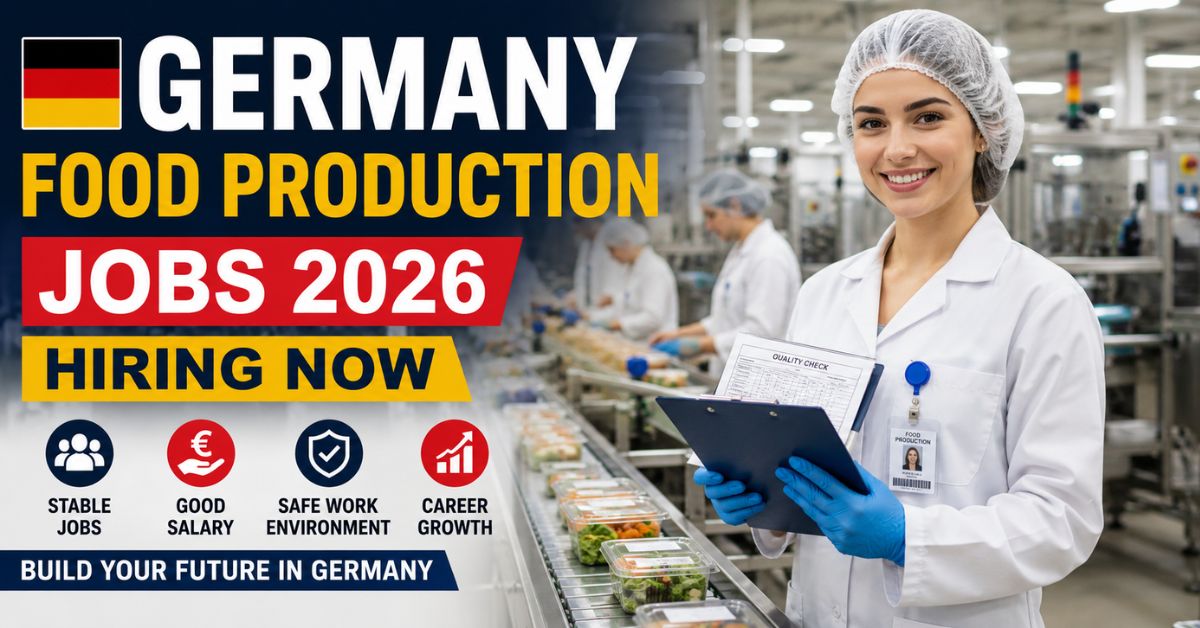
Germany Food Production Jobs 2026 – Hiring Guide & Requirements
The work keeps moving. Factories need helpers, yes – but also thinkers, doers, those willing to learn. Bakeries hum early morning through night. Meat plants follow strict steps every single hour. Milk becomes cheese, yogurt, powder – all day long. Packaged goods roll out by the thousand. Drinks flow into bottles, then trucks. Each site runs like a machine with humans at its core. Skills matter more than titles most times. Newcomers get chances if they show up ready. Experience grows on the floor, not just in training books. Demand stays high because eating never stops. Europe trusts German-made food, so orders keep coming. Workers fill shifts, yes – yet shape how things move behind the scenes too.
Before you apply, knowing what food factory work in Germany really involves makes a difference. Machines need running, yes, but eyes stay on quality just as much. Packing items comes up every shift, routine like breathing. Cleanliness matters deeply – every surface, every tool. Warehousing tasks pop up, part of the flow. Each role ties into how fast things move, how safe everything stays. Rules exist, yet they shape only half the story. People watch details others miss. Expect standing, timing, small corrections all day long. Hiring steps matter – paperwork, checks, waiting.
Germany food production jobs 2026
Every day, countless people get their meals thanks to Germany’s vast network of modern food factories. From one region to another, plants run constantly – some flying global names, others passed down through families, plus niche makers focused on specific goods. Workers keep things moving: they handle tasks along assembly belts, seal products into packages, check standards in labs, stack items in warehouses, then load trucks for delivery far and wide.
Working in food production across Germany fits various backgrounds. Certain spots expect past work in factories or know-how with machines, yet some starting roles teach you on site. What you need changes based on company, role, area. Each place sets its own rules.
Most people here stick to tight safety steps – keeping food clean matters too much to skip them. Teamwork shows up everywhere, one person handing off to another through each step of making things.
Getting ready matters if you want a food factory job in Germany by 2026. Your CV should show what you’ve done without clutter. Knowing daily tasks helps figure out where you fit. Simple work habits make adjusting easier once hired. Learning what bosses look for shapes how you apply. Fewer surprises come when expectations are clear.
Food Production Jobs in Germany Key Details
Food made in Germany opens up plenty of work paths. Though each business picks workers differently, most jobs expect roughly the same things on site.
Important highlights include:
- Opportunities in food factories and manufacturing plants
- Jobs open in packaging, along with roles tied to processing. Some spots help keep production running smoothly too
- Modern workplaces using advanced equipment
- Focus on safety, hygiene, and quality control
- Team-based working environments
- Different job levels from beginner to experienced roles
Working in food production often means moving around a lot, staying on your feet for hours at a time, paying close attention to directions, then getting each step right without mistakes. Before sending in an application, it helps to know what the job really asks of you – this way, picking a role that fits how you work becomes easier.
Food Production Job Types in Germany 2026
Across Germany’s food sector, jobs come in all shapes. Though names differ from one workplace to another, most plants bring people on for much the same tasks.
Food Production Worker
A person who works in making food handles tasks each day on the floor. Sometimes they get supplies ready, sometimes they watch how machines run. Lines moving items stay under their eye. Packing what gets made fits into their duties too. Clean counters, clear zones – part of staying on track.
Some workers handle frozen goods, while others might pack bread or prepare drinks. Bakery treats could land on one person’s tray, whereas another manages cheese and milk lines. Snacks often move through separate stations, each staffed by someone trained for that task. Dairy items sometimes require special handling, just like chilled beverages do. Different roles open up based on what kind of food a facility produces.
Packaging Worker
Packing items ready for shipping keeps things moving smoothly. Workers might seal boxes after checking contents. Sometimes they label packages before loading trucks. Handling materials safely matters just as much as meeting deadlines. Each task fits into a bigger process that moves goods out the door
- Packing food items correctly
- Checking labels
- Inspecting product quality
- Preparing boxes
- Supporting shipment preparation
Packaging slips might seem small, yet they quietly shape how people feel about what they receive. Tiny oversights often ripple into bigger doubts about care and consistency.
Machine Operator
Starting up each day, food production machine operators handle heavy machinery used in making goods. Not just pressing buttons but watching how systems respond matters too. When something acts strange, they flag it right away. Keeping things moving without hiccups is part of their routine. Smooth operations depend on steady attention.
Working certain machines means knowing how they operate, since safety rules can be complex. Equipment handling often needs prior learning, given the risks involved. People running these tools usually have practiced before, due to strict operational steps. Without proper knowledge, mistakes happen easily around heavy machinery.
Quality Control Assistant
Inspecting items often falls to quality control staff. Because of their role, they watch over how things are packaged. Sometimes a detail gets logged by them when something seems off. Problems found usually lead to reports going up the chain. Standards stay steady mainly through these checks.
Freshness first – that’s how German producers see it, so checks happen at every stage. Oversight isn’t just routine, it shapes how goods move from factory to table.
Main Responsibilities of Germany Food Production Workers
Most days look a bit alike for people making food, even if places differ. Still, what they do changes based on where they work and their role.
Common responsibilities include:
- Preparing ingredients or materials for production
- Operating basic production equipment
- Monitoring food processing activities
- Packing and organizing finished products
- Checking products for quality standards
- Cleaning working areas
- Following hygiene and safety rules
- Supporting other team members
When making food, even tiny errors matter a lot. Workers who pay close attention help keep things right every time. Following directions step by step makes sure nothing goes wrong. Patience plays a big role when doing repetitive tasks. Staying focused helps avoid problems that could change how the product turns out.
Working together matters since factories rely on smooth links across units. When one part moves, others must follow without delay. Connections between teams keep things running as expected.
Germany Food Production Job Requirements 2026
Some employers ask for different things based on the role. A starting job might expect less, whereas more focused positions often require specific skills or background. What you need shifts with the situation. Specialized work tends to demand prior know-how, unlike basic openings.
Common requirements may include:
Education
Most entry-level jobs in manufacturing skip the need for higher learning. Still, companies might ask for:
- Basic school education
- Proof of completed courses might matter here – depending on the job. Some positions ask for it. Not every one does. Check what fits your path
- Technical qualifications for machine jobs
- Before sending anything, look up the real job details first.
Work Experience
Not everyone needs a long resume to land a spot in a food plant – some roles open doors right away. Others? They tend to favor folks who’ve already spent time on similar floors before. Experience might matter more when handling certain machines or routines. A background in packing lines or quality checks could give someone an edge. Still, plenty of positions start with training fresh hires from day one
- Manufacturing
- Food processing
- Packaging
- Warehouse work
- Machine operation
Getting around a job site might come quicker if you have done it before.
Important Skills
Useful skills include:
- Ability to follow instructions
- Good teamwork
- Time management
- Attention to detail
- Basic problem-solving ability
- Safety awareness
Food production environments require workers who can complete tasks responsibly and consistently.
How to Apply for Food Production Jobs in Germany 2026
Start by getting ready for food production roles in Germany come 2026 – preparation matters more than you think. Since each company sets its own rules, take time to study what they’re asking for. Show your strengths through real examples of past jobs where responsibility mattered. Instead of listing tasks, explain how you handled them well under pressure. Because clarity wins when it comes to proving you fit the role.
Prepare a professional CV
Start by making your CV straightforward. What matters most? Showing you can handle food production work. Focus on clarity instead of clutter. One thing at a time – keep it clean. Think about what employers actually need to see. Experience comes before extras. Leave out anything vague. Let facts speak louder than phrases. Simplicity wins every time
Previous factory or warehouse experience
- Production skills
- Packaging knowledge
- Machine operation experience (if available)
- Safety training
- Teamwork abilities
Lying on a resume might backfire once companies start checking work history. Falsifying details could lead to disqualification if caught early on. Hiring teams often confirm past roles before making offers. Making up jobs risks immediate rejection when facts come out.
Find food production jobs that match your skills
Candidates can search for opportunities through:
- Official company career websites
- Professional job platforms
- Recruitment agencies
- Local employment services
Before applying, workers should review:
- Job responsibilities
- Required skills
- Work location
- Contract details
- Employer information
Researching the company helps applicants understand whether the role matches their goals and experience.
Submit Your Application
Once someone lands the right role, they typically hand in these items next
- Updated CV
- Required documents
- Application form
- Experience details
Availability might come up during interviews, depending on the employer. Work history could be discussed too, especially if it ties into daily tasks. Specific abilities tied to making things happen often get a mention, though not always. Each hiring person has their own way of digging into these details.
Get ready for the interview
Working well in a kitchen usually comes up when hiring for food prep roles. Skills matter, though how someone handles daily tasks matters just as much.
Common discussion topics may include:
- Previous work experience
- Ability to follow safety rules
- Working with a team
- Handling production tasks
- Flexibility with schedules
Truth matters when you apply. Respond with care, showing who you really are. A clear reply tells more than careful words ever could.
Food Production Jobs in Germany Offer Stable Work and Steady Income
Working in food production might offer solid hands-on experience within a key European industry. Pay and perks change based on who you work for, what your agreement says, when you start, how long it lasts. Your position shapes what you gain from the role – each detail counts differently behind the scenes.
Common workplace advantages may include:
- Experience in a professional European manufacturing environment
- Learning modern production systems
- Developing technical and teamwork skills
- Opportunities to improve industry knowledge
- Structured workplace procedures
- Experience with international quality standards
Some workers pick up practical abilities while on the job, which could help them move forward later in fields like making things or moving goods. These hands-on experiences often lead to new chances down the road without needing extra training. Learning happens naturally when people work through daily tasks involving equipment or systems. Over time, small improvements add up into real expertise that employers notice. Growth comes not from big leaps but steady effort in roles tied to production or delivery networks.
Working Conditions Inside German Food Production Plants
Most German food factories build their routine around clear rules, cleanliness, and consistent results. Sticking to guidelines matters just as much as showing up ready to work properly.
The working environment may include:
- Production halls
- Packaging departments
- Cold storage areas
- Quality control sections
- Warehouse facilities
Some jobs may require protective clothing such as:
- Safety shoes
- Gloves
- Hair protection
- Factory uniforms
Staying clean matters when people work every day. Safety comes first because of how tasks get done on site.
Advice for global applicants
Getting ready first matters most for anyone looking at food production work in Germany by 2026. Before sending anything, time spent preparing makes a difference. Those aiming for these roles will find stronger footing when they plan early. Jumping in unprepared? Not the best move. Thoughtful steps ahead of submission tend to help more than rushing. Preparation shapes how things go later.
Create a Clear Application
Starting strong matters when someone picks up your CV. Facts should sit neatly, clear like morning light. Job details fit only if they belong there – nothing extra floats around. Precision wins every time.
Workplace Culture Explained
Understanding German workplace expectations can help new employees adjust. Important qualities include:
- Punctuality
- Responsibility
- Communication
- Respect for procedures
Improve Useful Skills
Candidates might stand a better chance if they pick up abilities tied to:
- Food safety basics
- Factory operations
- Quality checking
- Equipment handling
Just a little prep might be enough to boost an applicant’s confidence.
What to Skip When Applying
Wrong moves by some who apply tend to lower the odds they’ll be looked at.
Avoid making these typical mistakes:
Sending an Unclear CV
Most hiring managers struggle to see what you’re capable of if key points are missing. Present everything clearly, yet with a clean look.
Ignoring Job Requirements
Not every role fits all. Skip reading the details, you might just lose hours.
Providing Incorrect Information
Always provide accurate details about your experience, skills, and qualifications.
Unready for Job Interviews
Showing up ready signals you mean business. Look into the firm, get clear on the job – this shapes how you answer when asked.
Food Work Tomorrow Germany
Out here, where kitchens meet code, meals get made faster than ever before. Machines that once just stirred now think, thanks to smart upgrades woven into daily work. Efficiency isn’t chased – it quietly shows up when sensors track every step. What people want shifts fast, so factories swap routines like playlists. Tech doesn’t knock on the door – it already lives inside the process.
Some workers who know how to run machines might see extra chances in this field. Knowing about checking product standards helps too. Moving goods smoothly can open doors elsewhere. Helping fix technical problems adds another layer of value.
Yet running a kitchen means having workers you can count on each day. These folks keep things moving smoothly without cutting corners. Still, they also help make sure every batch meets the bar. Behind the scenes, their role holds the whole system together.
Should you aim to shape your path next year, picking up fresh abilities while keeping pace with what fields now demand might just make a difference. What matters often shifts – matching those changes could guide better choices later on.
Also Read:lithuania-helper-jobs-2026-salary-and-requirements/
FAQs
-
Are food production jobs available in Germany in 2026?
Food production in Germany employs many people through various firms that bring on staff when needed. Hiring shifts with where jobs are open, what businesses want, then which roles remain unfilled. Workers find chances depending on these moving parts across regions and sectors.
-
Do Germany food production jobs require experience?
Getting started in some jobs might be possible without background knowledge, yet moving into areas needing specific skills often means having worked around machinery or manufacturing before. Though basic roles can welcome newcomers, those involving detailed processes usually expect hands-on time in similar environments.
-
What skills are useful for food factory workers?
Working well with others matters just as much as spotting small issues before they grow. Staying alert to safety rules keeps everyone on track without slowing things down. Getting tasks done by deadlines fits into how smoothly operations run overall. Knowing how products come together from start to finish makes each step clearer along the way.
-
Can international applicants apply for Germany food production jobs?
Applicants from abroad might get a chance – provided they match what employers are looking for while sticking to the work and visa rules that fit their case.
-
What industries hire food production workers?
Bakery work fills many roles across food making. Dairy steps follow milk from farm to shelf. Drinks get built in factories far from fields. Frozen meals move fast through cold lines. Packaging wraps up what kitchens start.
Final Thoughts
One way to get hands-on practice in factory work by 2026 is through jobs in Germany’s food production sector. Since the field covers tasks like sealing products, adjusting ingredients, checking standards, moving stock, and running equipment, workers can pick roles that fit what they already know how to do. Though each position differs, most connect directly to daily operations inside large facilities.
Most people start by reading what jobs ask for. A clean resume matters more than you might think. Looking into the company comes next – knowing helps. Getting things submitted right keeps doors open. Past time on factory floors gives some an edge. Handling food well counts too. Staying safe at work shows maturity. Working with others smoothly makes a difference. Every hiring place decides its own rules though. Each role sets different bars to meet.