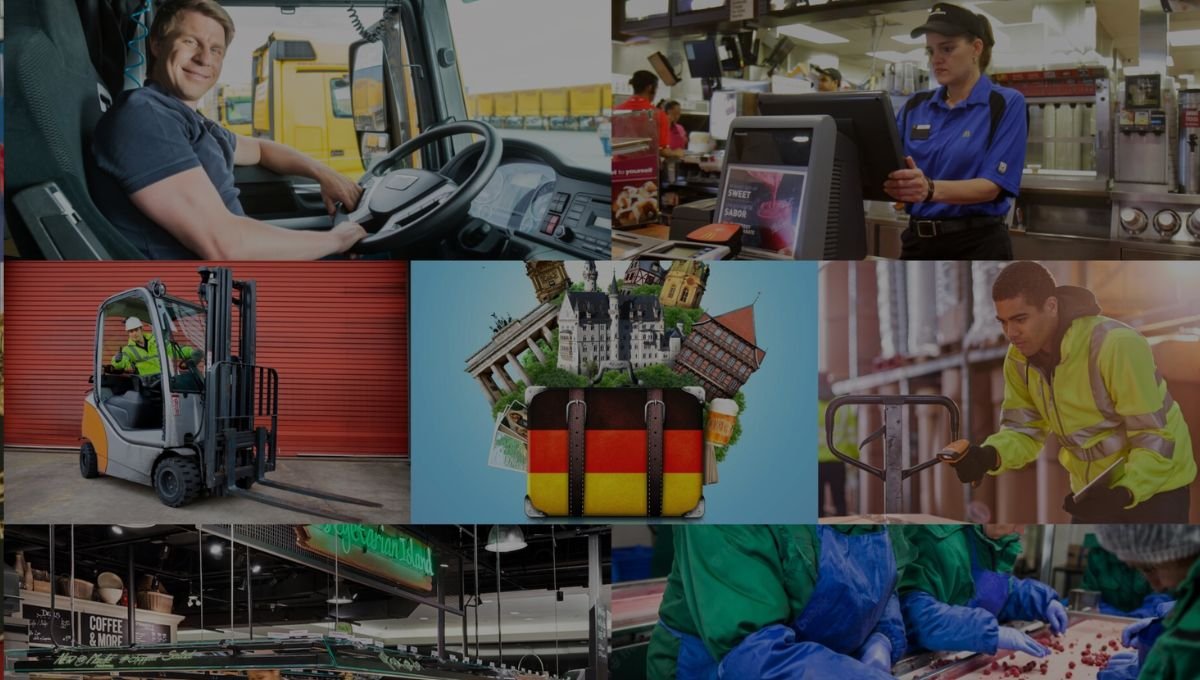
Germany 2026 Shortage Occupation List: 50+ In-Demand Jobs for Foreign Skilled Workers
Are you a skilled worker looking for a stable, high-demand career path in Europe? Germany is experiencing an unprecedented labor market demand, creating vast migration opportunities for skilled workers from around the globe.1 The economic powerhouse is strategically addressing its German economy workforce shortage by actively seeking international talent, especially in professions listed on the Germany Shortage Occupation List Jobs 2026 (or Engpassberufe).
This comprehensive guide breaks down the top occupations needed in Germany 2026, reveals the critical visa pathways—including the Blue Card Germany eligible professions 2026—and gives you an action plan to secure Germany visa sponsorship jobs 2026.2
The Shortage Crisis & Germany’s Talent Attraction Strategy
Germany’s economic growth, coupled with demographic shifts, has led to a significant skilled immigration 2026 drive. The German Federal Employment Agency shortage list identifies job categories where there are statistically more vacancies than registered unemployed persons.3 This shortfall is the core driver behind the new, streamlined German immigration reform 2026, designed to attract foreign professionals efficiently.4
Crucial Insight: The official “Shortage Occupation List” from the Federal Employment Agency (BA) is reviewed regularly (e.g., annually).5 While we reference expected 2026 demand based on current trends and the new Skilled Immigration Act, the core message is: STEM, Healthcare, and Skilled Trades are the perennial in-demand jobs in Germany 2026.6
Understanding the Skilled Immigration Pathways
The latest German work visa rules or skilled workers make moving for a job significantly easier:
- EU Blue Card: The fast track for graduates, especially those in shortage fields.7 It offers a quicker path to a settlement permit.8
- Skilled Worker Residence Permit: For those with a vocational qualification or university degree, allowing them to work in an occupation relevant to their qualification.9
- Opportunity Card (Chancenkarte): A new points-based system that allows candidates to enter Germany for up to one year to search for a job, or even work in Germany without a degree in certain skilled trades fields if they have strong practical experience.
The Definitive Germany In-Demand Jobs 2026 List
The current Germany labor shortage list 2026 spans three main mega-sectors, each offering exceptional prospects for Germany jobs for international applicants.
1. Healthcare & Medical Staff Demand in Germany
The healthcare sector has a chronic, nationwide shortage.10 Nurse shortage in Germany in 2026 is especially acute, affecting hospitals and elder care facilities.
| Role (Secondary Keywords) | Demand Level | Visa Relevance |
| Registered Nurses | Very High | Skilled Worker Visa, Blue Card |
| Caregiver jobs, Germany visa sponsorship (Elderly Care) | Very High | Skilled Worker Visa |
| Specialist Doctors (e.g., Anesthesiologists, Radiologists) | High | Blue Card |
| Medical Technicians (e.g., Radiography, Lab Technicians) | High | Skilled Worker Visa, Blue Card |
| Pharmacists | High | Blue Card |
2. IT & Engineering Jobs in Demand in Germany
As the heart of Industry 4.0, Germany urgently requires specialists in technology and its famous manufacturing sector. The IT shortage jobs Germany 2026 remains one of the most critical gaps.
| Role (Secondary Keywords) | Demand Level | Visa Relevance |
| Software Developer shortage in Germany 2026 | Very High | Blue Card (even without a degree in some cases) |
| Data Analyst jobs in Germany: a shortage list | High | Blue Card |
| Cybersecurity jobs in Germany 2026 | High | Blue Card |
| Electrical Engineer shortage Germany | Very High | Blue Card |
| Mechanical Engineer jobs in Germany: a shortage list | High | Blue Card |
| Civil Engineer jobs in Germany 2026 | High | Blue Card |
| Automotive Engineering jobs in Germany | High | Blue Card |
3. Skilled Trades & Technical Vocations
The German construction jobs shortage list and high demand in manufacturing highlight the need for vocational experts. These roles are critical for the German skilled trades demand in 2026.
| Role (Secondary Keywords) | Demand Level | Visa Relevance |
| Plumbers and Electricians jobs in Germany | Very High | Skilled Worker Visa, Opportunity Card |
| Metal Workers and Welders in demand in Germany | High | Skilled Worker Visa, Opportunity Card |
| Heating/Air Conditioning (HVAC) Technicians | Very High | Skilled Worker Visa |
| Truck Driver jobs in Germany 2026 | High | Skilled Worker Visa |
| Machine Operator jobs in Germany | High | Skilled Worker Visa |
How to Qualify: Your Visa Roadmap
Understanding the visa requirements is the most critical step to apply for a skilled job visa in Germany 2026. The key to success is aligning your qualification with the shortage occupation for non-EU citizens in Germany.
Also Read:Top Global Companies Hiring Foreign Workers With Visa Sponsorship in 2025

Blue Card Eligibility: The Premium Pathway
To qualify for Blue Card Germany 2026, you generally need:
- A German/Recognized University Degree.
- A Job Offer: A contract of at least six months.11
- Minimum Salary Threshold: This is updated annually. For 2025, the Reduced Salary Threshold for MINT (STEM) and Healthcare shortage professions is approximately €43,759.80 gross annually.12 The general threshold is higher (approx. €48,300).13 Expect a slight increase for 2026.
NLP/Semantic Insight: The term EU Blue Card Germany occupations explicitly targets candidates for this preferential visa route, which offers faster permanent residency and easier family reunification.14
Navigating Skilled Trades (The New Flexibility)
The new Skilled Immigration Act, representing the German talent attraction strategy, now allows professionals with a non-academic qualification to move more easily 15
- Vocational Qualification: A qualification of at least two years of training is required 16
- Experience-Based Entry: For non-regulated professions (like IT, or some skilled trades), you can qualify with just two years of relevant professional experience and a minimum salary, potentially without official qualification recognition—a major game-changer! 17
Actionable Steps: Your 2026 Job Search Strategy
How do you secure one of these visa sponsorship jobs in Germany in 2026?
- Check Recognition: Use the official anabin database to see if your foreign qualification is recognized or comparable to a German one.18 This is key to E-A-T Compliance by demonstrating your professional credentials.
- Learn German: While many IT and engineering roles in international companies don’t require German fluency, B1/B2 is a massive advantage in the German labor market demand in 2026, especially for patient-facing healthcare or customer-facing trades roles.19
- Search Smart: Don’t just look at general job boards. Use the Make It In Germany job portal and the official Federal Employment Agency occupation list 2026 resources.20 Search terms like “Maschinenbauingenieur Stelle” (Mechanical Engineer Job) alongside “international applicants” or “foreigners welcome.”
- Target Companies: Focus on German companies hiring foreigners in 2026. Large corporations and small-to-medium-sized Mittelstand companies in the manufacturing belt (Bavaria, Baden-Württemberg) are constantly seeking talent.
FAQs: Your Path to Work in Germany
Q: What is the shortage occupation list for Germany 2026?A: It’s a list published by the Federal Employment Agency identifying professions with a severe shortage of qualified domestic applicants.21 It significantly eases the process for non-EU/EEA nationals to get a German residence permit for skilled employment.22 The list of shortage occupations in Germany 2026 is heavily weighted toward STEM, IT, Engineering, and Healthcare 23
Q: How to get a German work visa 2026?A: The primary route is to secure a job offer that aligns with your qualifications.24 Then, apply for the appropriate visa (EU Blue Card or Skilled Worker Visa) at the German embassy or consulate in your home country.
Q: Is my profession on Germany’s skilled list 2026?A: Most qualified professions (university degree or at least two years of vocational training) are covered by the new Skilled Immigration Act. However, if you are a Science and Engineering Professional, an IT Specialist, or a Healthcare Professional (including nursing), your job is almost certainly considered a top high-demand career in Germany and is on the explicit shortage list.25